From Dream to Reality: How to Prioritize Wants and Needs in Your Construction Project

From Dream to Reality: How to Prioritize Wants and Needs in Your Construction Project
Building your own home or taking on a major renovation is a dream for many Americans. It’s a chance to create a space that reflects your lifestyle, values, and personal taste. But that dream can quickly become overwhelming when budgets, timelines, and endless decisions start to pile up. The key to keeping your project on track—and your stress levels in check—is learning how to distinguish between wants and needs. Here’s how to prioritize wisely so your construction project becomes both achievable and deeply satisfying.
Start with a Clear Vision
Before diving into details like countertops, flooring, or paint colors, take a step back and ask yourself: What am I really trying to achieve? Is your goal a functional family home, an energy-efficient build, or a design statement that stands out in the neighborhood? Once you have a clear vision, it becomes much easier to evaluate which choices move you closer to that goal—and which are simply “nice to have.”
Write down your top priorities: comfort, aesthetics, sustainability, budget, flexibility, or resale value. This list will serve as your compass when tough decisions arise.
Distinguish Between Wants and Needs
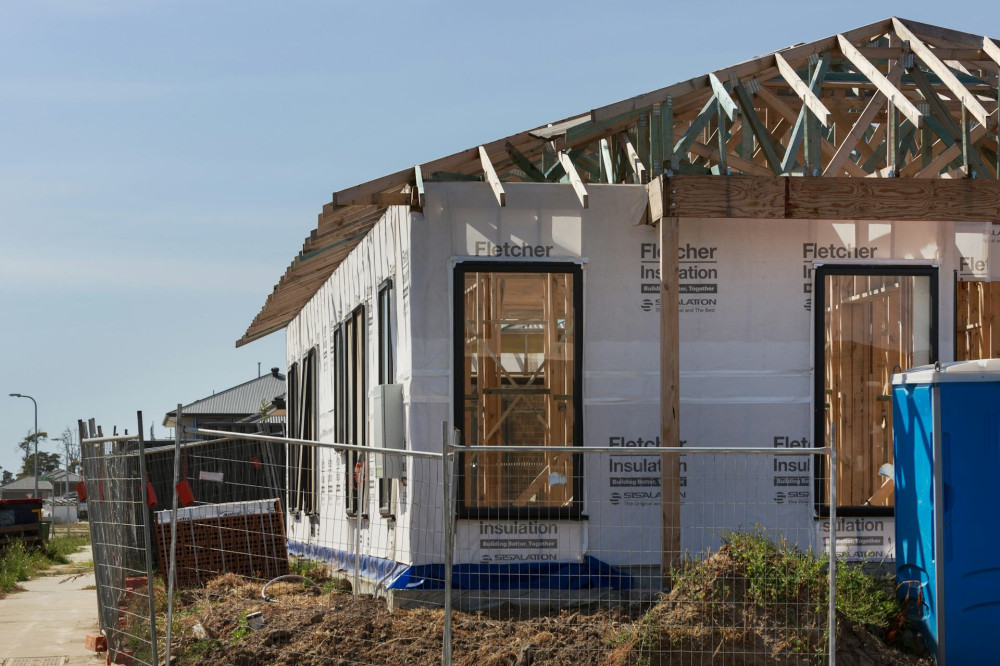
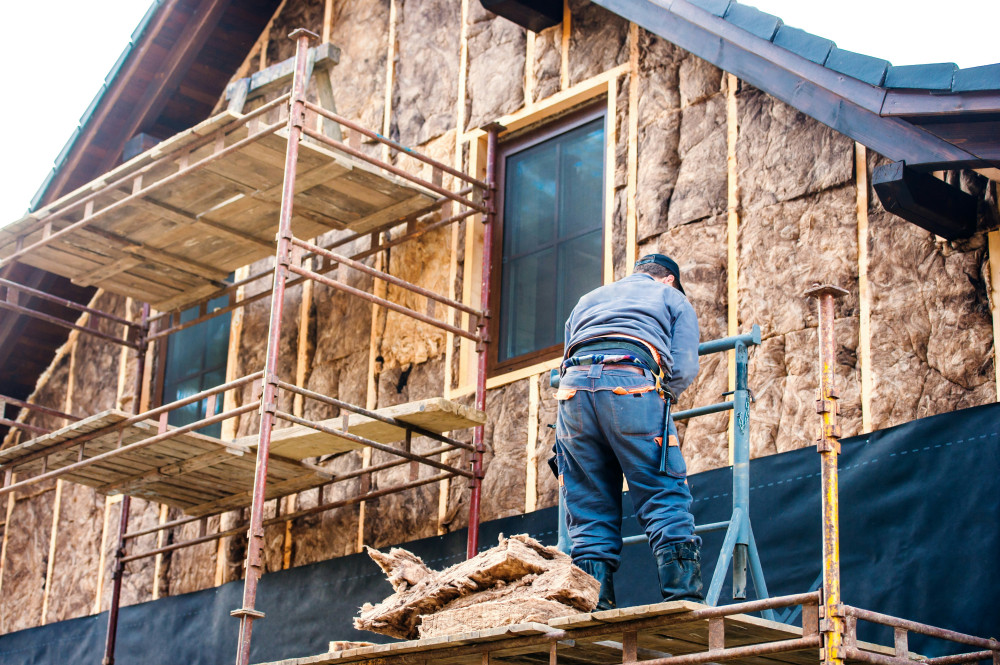
A need is something essential for your home to function safely and comfortably—like proper insulation, a solid foundation, or enough storage space. A want, on the other hand, adds personality or luxury—like a home theater, a spa bathroom, or custom millwork.
Try sorting your ideas into three categories:
- Must-haves – Non-negotiable elements that ensure safety, comfort, and functionality.
- Should-haves – Features that would improve daily life but can be adjusted if the budget tightens.
- Nice-to-haves – Dream features that can be added later if finances allow.
This simple exercise helps you see where you can compromise and where you shouldn’t.
Create a Realistic Budget—and Stick to It
Construction projects almost always cost more than expected. That’s why it’s crucial to build a budget that includes both known expenses and a contingency fund for surprises. A good rule of thumb is to set aside 10–15% of your total budget for unexpected costs.
Once you know your financial limits, allocate funds according to your priorities. It might be tempting to splurge on high-end finishes, but investing in quality insulation or energy-efficient systems could save you money in the long run.
Also, consider long-term operating costs. A cheaper option today might lead to higher maintenance or utility bills down the road.
Think in Terms of the Whole Picture
When you’re choosing fixtures, tiles, or paint colors, it’s easy to get lost in the details. But a successful build depends on how all the elements work together. Ask yourself: Does this choice fit the overall style, function, and budget of the home? A single expensive feature can throw off the balance if it doesn’t harmonize with the rest of the design.
Creating a digital mood board or collecting samples can help you visualize how materials and colors interact before making final decisions.
Involve the Right Professionals
Even if you have a strong vision, involving professionals early—such as architects, builders, or energy consultants—can save you time, money, and frustration. They can translate your ideas into practical solutions and often suggest smarter or more cost-effective alternatives you might not have considered.
Good communication is key. Be upfront about your priorities and budget, and ask for recommendations that align with both. A collaborative approach ensures that your dream remains realistic and achievable.
Læs også:
Be Ready to Compromise
No matter how well you plan, every construction project involves trade-offs. You might have to choose between a larger kitchen and an extra bedroom, or between natural stone and laminate countertops. The important thing is to stay focused on what matters most to you and accept that not everything can happen at once.
Think of your project as a journey. Some of your “nice-to-haves” can always be added later when your budget allows. Knowing that your dream can evolve over time makes the process less stressful and more rewarding.
Turning the Dream into Reality
Building your own home is one of life’s most exciting—and challenging—adventures. By setting clear priorities, planning realistically, and keeping your focus on what truly matters, you can create a home that meets your needs and fulfills your dreams.
When you finally step into your finished space, you’ll realize that it’s not the most expensive features that bring the greatest joy—but the thoughtful choices that make your home uniquely yours.
Læs også: