Builder’s Risk Insurance vs. Homeowners Insurance – Why Both Matter for Your Construction Project

Builder’s Risk Insurance vs. Homeowners Insurance – Why Both Matter for Your Construction Project
When you’re building a new home or undertaking a major renovation, insurance might not be the first thing on your mind. But during construction, having the right coverage is essential to protect your investment. Many homeowners assume their standard homeowners policy will cover everything, but that’s rarely the case. Builder’s risk insurance and homeowners insurance serve very different purposes—and both are crucial at different stages of your project. Here’s what you need to know.
What Is Builder’s Risk Insurance?
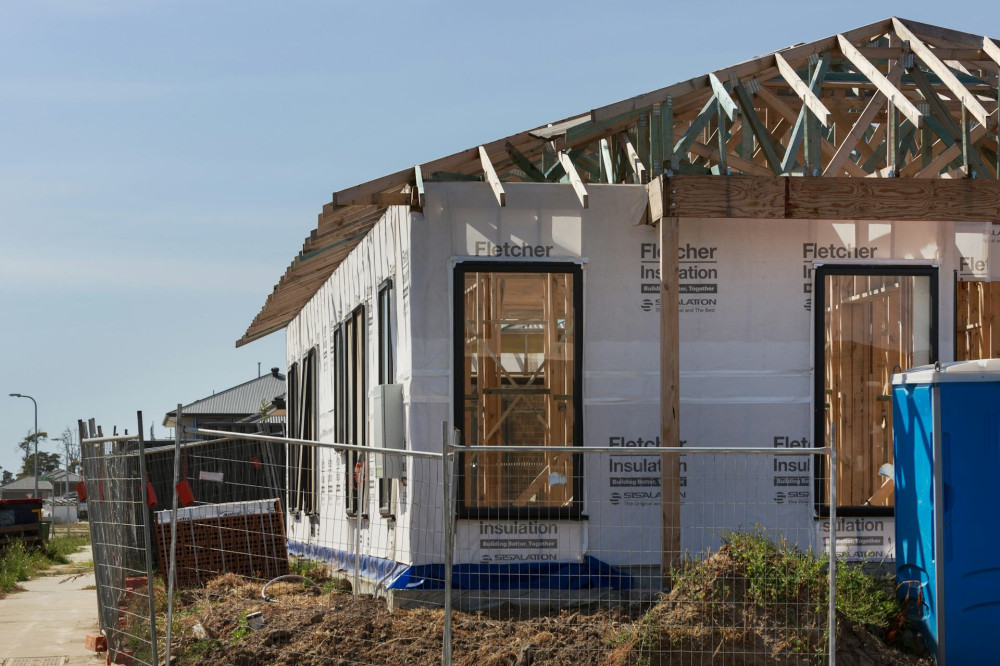
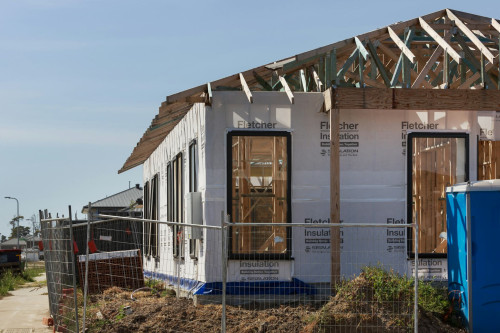
Builder’s risk insurance—sometimes called “course of construction” insurance—covers damage to a home or structure while it’s being built or remodeled. It’s a temporary policy designed to protect against losses that can occur during the construction phase.
Typical builder’s risk policies cover:
- Damage to the structure under construction – for example, if a storm damages framing or roofing materials.
- Theft or vandalism – if tools, appliances, or building materials are stolen from the site.
- Fire, wind, or hail damage – which can occur before the home is completed.
- Certain liability exposures – such as damage to neighboring property caused by construction activities.
Builder’s risk insurance usually lasts for the duration of the project and ends once the home is completed and ready for occupancy. It can be purchased by the property owner, the general contractor, or sometimes jointly, depending on the contract terms. Without it, you could face significant out-of-pocket costs if disaster strikes before your home is finished.
What Is Homeowners Insurance?
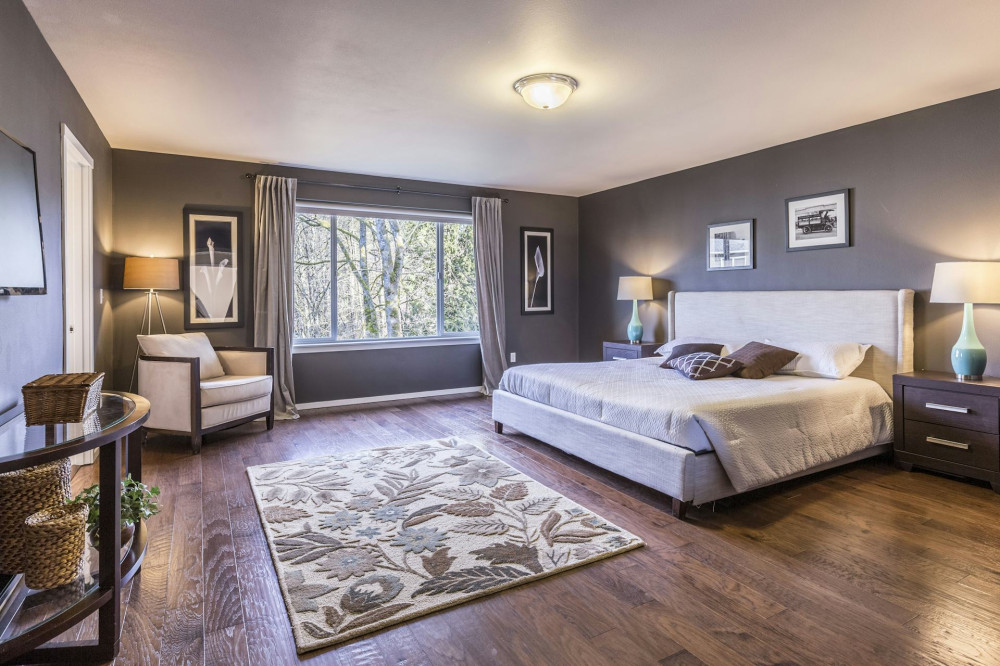
Once construction is complete and you move in, homeowners insurance becomes your primary protection. This long-term policy covers the finished home and your personal belongings against a wide range of risks.
A standard homeowners policy typically includes:
- Dwelling coverage – for damage to the structure from perils like fire, wind, or hail.
- Personal property coverage – for your furniture, clothing, and other belongings.
- Liability protection – if someone is injured on your property or you accidentally damage someone else’s property.
- Additional living expenses – if you need to live elsewhere while your home is being repaired after a covered loss.
Homeowners insurance is ongoing coverage that remains in effect as long as you own the home. You can also add optional endorsements, such as flood insurance, earthquake coverage, or extended replacement cost protection, depending on your location and needs.
Why You Need Both
It might seem redundant to have two different policies, but they cover distinct phases of your project. Builder’s risk insurance protects your investment while the home is being built, while homeowners insurance protects it after it’s complete and occupied.
If you rely only on homeowners insurance during construction, you may find that losses to an unfinished structure aren’t covered. Conversely, builder’s risk insurance won’t help once the home is finished and you’ve moved in. Having both ensures continuous protection from groundbreaking to move-in day.
In short:
- Builder’s risk insurance safeguards your project during construction.
- Homeowners insurance safeguards your home once it’s complete.
Common Misunderstandings
A frequent misconception is that the contractor’s insurance automatically covers everything on the job site. In reality, a contractor’s liability policy only covers damage or injury caused by the contractor’s negligence—not events like storms, fires, or theft. That’s where builder’s risk insurance comes in.
Another common mistake is waiting too long to activate homeowners insurance. You should have it in place as soon as the home is ready for occupancy and has passed final inspection. Some insurers even offer combined policies that transition from builder’s risk to homeowners coverage automatically when construction ends—an option worth exploring for convenience and cost savings.
How to Protect Your Project
- Talk to your insurance agent early. Discuss your construction timeline and coverage needs before work begins.
- Review policy details carefully. Coverage terms and exclusions vary by insurer, especially for theft, vandalism, and weather-related damage.
- Coordinate with your contractor. Clarify who is responsible for which policies to avoid coverage gaps.
- Keep thorough records. Save receipts, contracts, and photos of progress—these can be invaluable if you need to file a claim.
Læs også:
Building with Confidence
Building a home is one of the biggest investments you’ll ever make. With the right insurance in place, you can focus on the excitement of creating your dream home—knowing you’re protected every step of the way. Builder’s risk insurance and homeowners insurance work hand in hand: one shields your project during construction, the other protects your home for years to come.
Læs også: