Changes Ahead? How to Stay on Top of Your Construction Project

Changes Ahead? How to Stay on Top of Your Construction Project
No matter how carefully you plan, a construction project rarely unfolds exactly as expected. Maybe the soil conditions turn out to be different than anticipated, a delivery gets delayed, or you decide to make design changes midstream. Adjustments are a natural part of the process—but if they’re not managed properly, they can lead to confusion, delays, and unexpected costs. Here’s how to stay in control when your project takes a few turns along the way.
Expect the Unexpected
Even with a solid plan, surprises happen. You might uncover structural issues in an older home, face new permitting requirements, or see material prices fluctuate. Instead of viewing these changes as setbacks, think of them as part of the construction journey.
From the start, build a buffer into both your schedule and your budget. A good rule of thumb is to set aside 10–15% for unforeseen expenses. That cushion gives you flexibility and peace of mind when something unexpected arises, allowing you to make decisions calmly rather than reactively.
Keep Communication Clear and Documented
When changes occur, it’s essential that everyone involved knows exactly what’s been decided. Misunderstandings often stem from verbal agreements or unclear documentation.
- Put every change in writing—even small ones. Use email or a shared project management tool to maintain a clear record.
- Update your contract if the change affects cost, timeline, or materials.
- Hold regular project meetings with your contractor to review progress and discuss any adjustments.
Clear communication is your best protection against disputes and confusion later on.
Prioritize What Really Matters
In the middle of construction, it’s easy to get caught up in new ideas. Maybe you’ve seen a different tile you love or want to move a wall for better flow. But every change costs time and money—and can have ripple effects on other parts of the project.
Create a priority list: Which changes are essential, and which are simply “nice to have”? Discuss the implications with your contractor or project manager before making a decision. Sometimes it’s smarter to wait and tackle certain upgrades after the main build is complete.
Læs også:
Make the Most of Your Professional Team
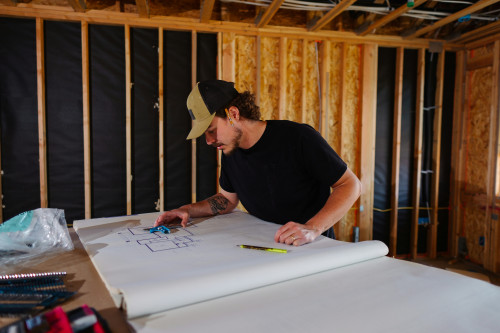
If you’re working with an architect, designer, or construction manager, lean on their expertise. They can help you assess whether a change is feasible and how it will affect your budget and schedule.
A good advisor can also act as a bridge between you and the contractors, ensuring that technical details are handled correctly and that your vision stays on track. Their guidance can save you money and stress in the long run.
Track Your Budget in Real Time
Construction costs can escalate quickly, especially if changes aren’t properly tracked. Keep an up-to-date budget that reflects every modification in materials, labor, and scope.
Use a spreadsheet or a digital project management app to monitor expenses, invoices, and payments. Having a clear financial overview helps you make informed decisions and prevents unpleasant surprises when the final bills arrive.
Stay Calm and Keep the Big Picture in Mind
Construction can be stressful, and unexpected changes can test your patience. But often, the adjustments you make along the way lead to a better final result. The key is to stay organized, communicate clearly, and remember your ultimate goal: creating a space that fits your needs and lifestyle.
By anticipating change, documenting decisions, and keeping a close eye on your budget, you’ll navigate your project with confidence—and enjoy the satisfaction of seeing your vision come to life.
Læs også: