The Right Car for Your Needs and Budget


The Right Car for Your Needs and Budget
Choosing the right car isn’t just about finding something stylish or fast. It’s about finding a vehicle that fits your lifestyle, driving habits, and financial situation — both at the time of purchase and over the years you’ll own it. Here’s a guide to help you make a smart decision, whether you’re a first-time buyer, a daily commuter, or a family looking for space and comfort.
Start by Defining Your Needs
Before you start comparing brands and models, think about how you’ll actually use your car. Your driving patterns will determine what type of vehicle makes the most sense.
- City driving and short trips: A compact car or an electric vehicle (EV) is ideal. They’re easy to park, fuel-efficient, and inexpensive to maintain.
- Commuting and highway driving: Comfort, noise level, and fuel economy matter most. A midsize sedan, hybrid, or plug-in hybrid can be a great fit.
- Family life and road trips: You’ll need room for kids, luggage, and maybe sports gear. Look for SUVs, crossovers, or minivans with flexible seating and good safety ratings.
- Outdoor activities or towing: Make sure the vehicle has enough towing capacity and engine power. Check the manufacturer’s specifications before you buy.
Once you know your needs, it’s easier to narrow down your options and avoid impulse purchases.
Set a Realistic Budget — and Remember the Hidden Costs
The sticker price is only the beginning. Ongoing expenses can add up quickly if you don’t plan for them from the start.
- Fuel or electricity: EVs cost less to operate but are usually more expensive to buy.
- Insurance: Rates vary depending on the car’s type, age, safety features, and your driving record.
- Taxes and registration: These differ by state and can be higher for new or luxury vehicles.
- Maintenance and repairs: Check the cost of service plans and research reliability ratings.
- Depreciation: New cars lose value fastest in the first few years. Buying used can help you avoid the steepest drop.
Create a total budget that includes both the purchase price and running costs. That gives you a clearer picture of what the car will really cost each month.
Læs også:



Gas, Hybrid, or Electric — What Fits You Best?
The auto market is changing fast, and choosing the right powertrain is one of the biggest decisions.
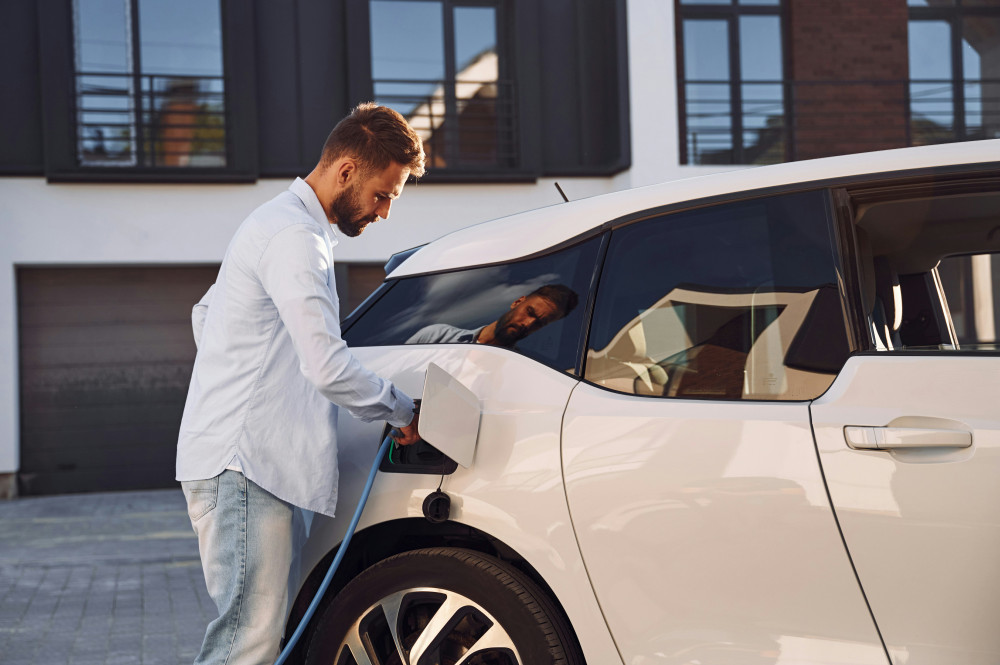
- Electric vehicles (EVs): Perfect if you drive mostly short distances and can charge at home. They have low operating costs and zero tailpipe emissions, but you’ll need to plan for charging on long trips.
- Plug-in hybrids: Combine electric and gas power. Great for commuters who can charge daily, but they’re heavier and more expensive than standard hybrids.
- Gasoline or diesel vehicles: Still practical for long-distance drivers or those without access to charging, though fuel costs and emissions regulations may make them less appealing over time.
Think about where you live and how you drive. An EV can be the cheapest to run — but only if you can take advantage of its benefits.
New or Used — Pros and Cons
A new car offers the latest technology, full warranty coverage, and peace of mind. However, it depreciates quickly. A used car can be a smart financial choice, but it requires careful research.
- Buy used with a full service history: It shows the car has been properly maintained.
- Check for liens or accidents: Use services like Carfax or AutoCheck to verify the vehicle’s background.
- Consider certified pre-owned (CPO): You’ll get warranty coverage and a thorough inspection from the dealer.
- Private sales: Often cheaper, but you’ll have less protection if something goes wrong.
If you buy used, have a trusted mechanic inspect the car before signing any papers.
Financing and Leasing — What Makes Sense for You?
There are several ways to pay for a car, and the best option depends on your finances and how long you plan to keep it.
- Paying cash: You own the car outright and avoid interest, but it ties up your savings.
- Auto loan: Offers flexibility, but compare interest rates and loan terms carefully.
- Leasing: You pay a fixed monthly amount and return the car after the lease term. It provides predictable costs and access to newer models, but you don’t own the car and must stay within mileage limits.
Leasing can be attractive if you like driving a new car every few years and want to avoid repair surprises. Just make sure to calculate the total cost — it’s not always the cheapest option.
Think Long-Term — and Always Test Drive
Once you’ve narrowed down your choices, take each car for a test drive. Pay attention to comfort, visibility, noise level, and how intuitive the controls feel. Also, think ahead: will this car still meet your needs in three or five years? Maybe you’ll need more space, or your commute will change.
A car is a major investment, and the best choice is rarely the quickest one. Take your time, compare models, and choose with both your heart and your head.
Læs også: