Electric Car or Hybrid? How to Decide What’s Best for Your Budget

Electric Car or Hybrid? How to Decide What’s Best for Your Budget
Electric and hybrid cars are becoming increasingly common on American roads—and for good reason. They promise lower running costs, reduced emissions, and a more future-proof driving experience. But which option fits your budget best? The answer depends on your driving habits, living situation, and how long you plan to keep the car. Here’s a guide to help you decide what makes the most financial sense for you.
Know the Difference Between Electric and Hybrid
Before comparing costs, it’s important to understand how each type works.
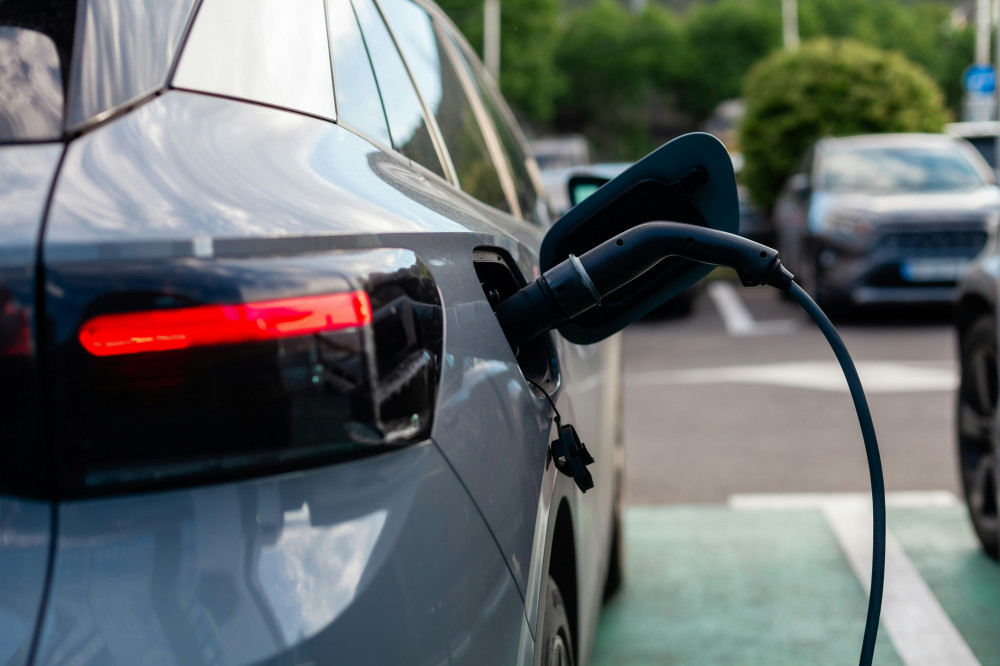
- Electric vehicle (EV) runs entirely on electricity and must be charged through a home or public charging station. It has no gas engine and produces zero tailpipe emissions.
- Hybrid combines a gasoline engine with an electric motor. It can drive short distances on electric power but relies on gas for longer trips.
- Plug-in hybrid (PHEV) can be charged externally and typically drives 20–50 miles on electric power before switching to gas.
EVs are the cleanest and cheapest to operate but require access to charging. Hybrids are more flexible but cost more in fuel and maintenance over time.
Evaluate Your Driving Habits
Start by looking at how much and how often you drive.
- If you drive less than 60 miles a day and can charge at home or work, an EV is often the most economical choice.
- If you take frequent long trips or don’t have reliable access to charging, a plug-in hybrid may be more practical.
- If most of your driving is on highways, remember that EVs use more energy at higher speeds, while hybrids rely more on gasoline in those conditions.
Estimate your annual mileage and typical routes—this will help you calculate which option truly fits your lifestyle and budget.
Læs også:


Compare Total Ownership Costs, Not Just the Sticker Price
Many buyers focus on the purchase price, but the real comparison lies in total cost of ownership. Consider these key factors:
- Purchase price and incentives – EVs often cost more upfront, but federal tax credits (up to $7,500 for qualifying models) and state rebates can narrow the gap.
- Fuel and electricity – Charging at home typically costs the equivalent of paying $1–$2 per gallon of gas, depending on local electricity rates.
- Maintenance – EVs have fewer moving parts and no oil changes, which means lower maintenance costs.
- Depreciation – EVs used to lose value faster, but as technology improves and demand grows, resale values are stabilizing.
- Insurance – EVs can be slightly more expensive to insure due to higher repair costs, though this varies by model and provider.
When you add it all up, an EV can be cheaper to own over 4–6 years, especially if you drive frequently and can charge at home.
Consider Your Home and Charging Options
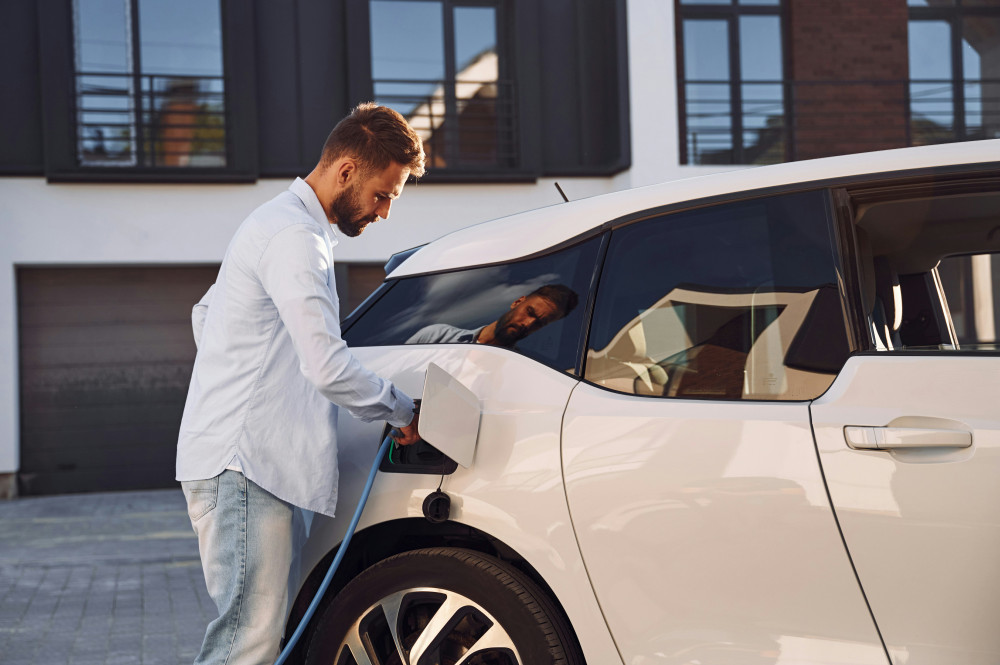
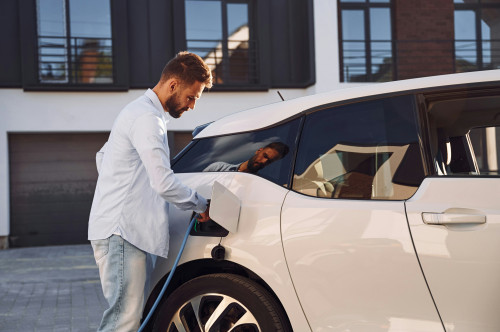
Access to charging is a major factor. If you have a garage or driveway, installing a Level 2 home charger can make daily charging easy and affordable. Many utilities offer rebates or discounted nighttime rates for EV charging.
If you live in an apartment or rely on street parking, check whether your building or neighborhood offers public chargers. A plug-in hybrid can be a good compromise if home charging isn’t convenient—but remember, you’ll only save money if you plug in regularly.
Think Long-Term and Watch Market Trends
EV technology is improving rapidly: ranges are increasing, prices are dropping, and the U.S. charging network is expanding fast. Federal and state policies also favor electric vehicles, with many states planning to phase out new gas-only car sales in the coming decades.
Hybrids remain a solid transitional choice, but as gas prices fluctuate and EV infrastructure grows, fully electric cars are likely to become the more economical and sustainable option in the long run.
How to Make the Right Choice
- Map your driving habits – How far and how often do you drive?
- Check your charging options – Can you charge at home, work, or nearby?
- Calculate total ownership costs – Include purchase price, fuel or electricity, maintenance, and incentives.
- Plan for the future – Consider how technology, resale value, and policy changes may affect your decision.
Once you have a clear picture of your needs and costs, you’ll be ready to choose the vehicle that best fits both your lifestyle and your budget.
Læs også: