The Budget as Your Everyday Helper – Create Calm and Clarity in Your Finances


The Budget as Your Everyday Helper – Create Calm and Clarity in Your Finances
A budget might sound like a dry, technical tool, but in reality, it’s one of the most effective ways to bring peace and clarity to your daily life. When you know where your money goes and what you have to work with, your finances become less stressful—and your decisions easier. A budget isn’t about restriction; it’s about gaining the freedom to spend on what truly matters to you.
Why a Budget Brings Peace of Mind
For many Americans, money is one of the biggest sources of stress. Rising living costs, unexpected bills, and a lack of financial overview can quickly create anxiety. A budget helps you take back control. When you know your fixed expenses and how much you have left for everything else, planning becomes easier—and those end-of-month surprises disappear.
A budget also gives you a realistic picture of your financial situation. It can reveal where your money is going and where you might want to make adjustments. It’s not about cutting everything to the bone—it’s about spending intentionally.
How to Get Started
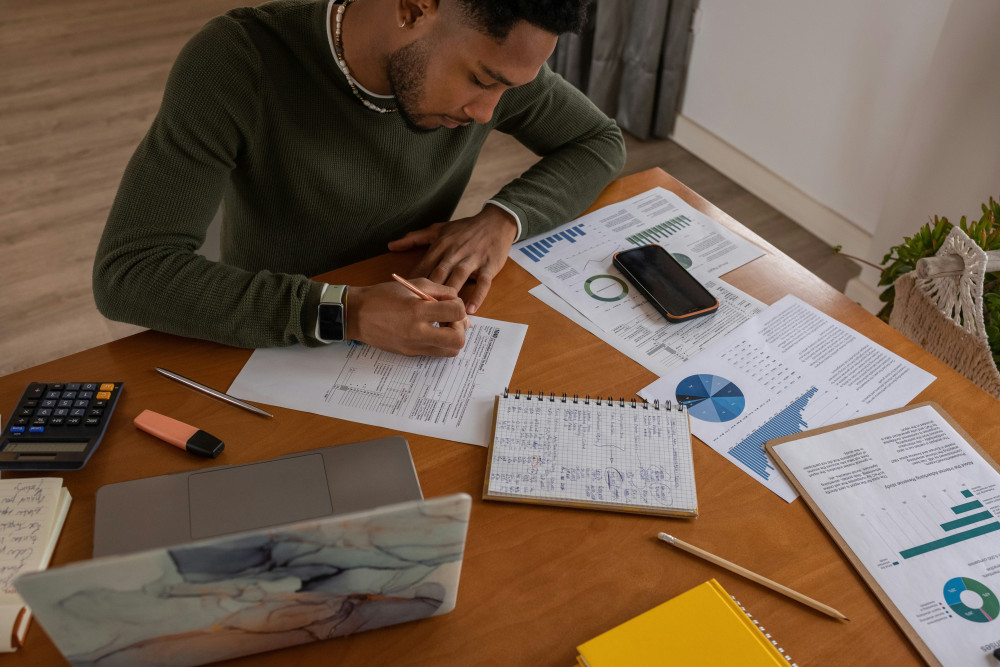
Creating a budget doesn’t have to be complicated. Start by getting a clear overview of your income and expenses. You can use a spreadsheet, a budgeting app, or even a notebook—the key is simply to start.
- List all sources of income – your paycheck, side gigs, child support, Social Security, or any other regular income.
- Identify your fixed expenses – rent or mortgage, insurance, utilities, subscriptions, and transportation.
- Estimate your variable expenses – groceries, clothing, entertainment, dining out, and gifts.
- Set aside money for savings and unexpected costs – even small amounts add up over time.
Once you have the full picture, you can see where things balance out and where adjustments might be needed. Maybe you’ll notice a subscription you no longer use or realize that meal planning could help reduce grocery costs.
Læs også:



Keep Your Budget Alive
A budget isn’t something you create once and forget. Life changes—and so does your financial situation. That’s why it’s important to review and adjust your budget regularly. Maybe you’ve started a new job, moved to a new city, or your kids have new activities. Check your budget a few times a year to make sure it still fits your life.
A helpful tip is to set up a separate account for your fixed expenses. Have your bills automatically paid from that account so you always know how much is left for everyday spending. It’s a simple way to avoid surprises when the bills come due.
A Budget as a Tool for Dreams and Goals
A budget isn’t just about making ends meet—it’s also a powerful tool for achieving your goals. When you know how much you can save each month, you can plan for bigger dreams: a vacation, a new car, or building an emergency fund.
Setting specific goals helps you stay motivated. You might open separate savings accounts for different purposes—travel, home improvements, or future education costs. Watching those balances grow can be both encouraging and empowering.
Involve the Whole Family
If you share finances with a partner or family, it’s important that everyone is involved. A shared budget creates transparency and shared responsibility. Talk openly about money—both the necessary expenses and the things you want to prioritize together, like family outings or saving for a home.
Including children in simple budgeting discussions can also be valuable. It helps them understand how money works and teaches them healthy financial habits from an early age.
Small Steps, Big Results
Getting started might feel overwhelming, but remember that even small steps make a difference. Maybe you begin by tracking your fixed expenses, and later you focus on saving or investing. The most important thing is to take that first step.
A budget isn’t a limitation—it’s a path to freedom. When you know where you stand, you can make conscious choices and use your money for what truly matters to you and your family.
Læs også: