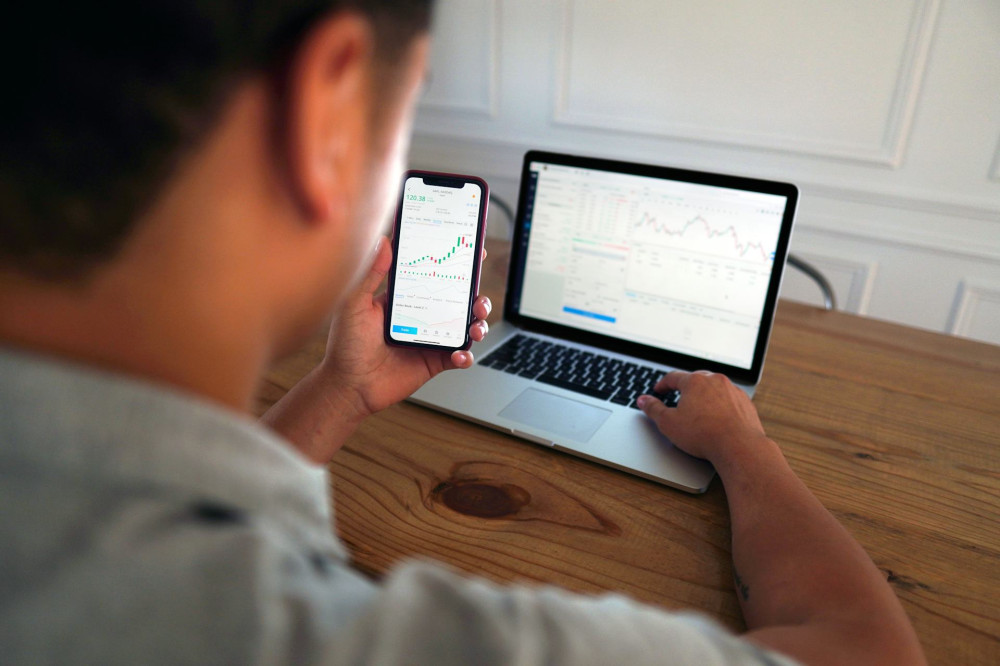
Stay Committed to Your Goals – Motivation as the Key to Healthy Investing Habits

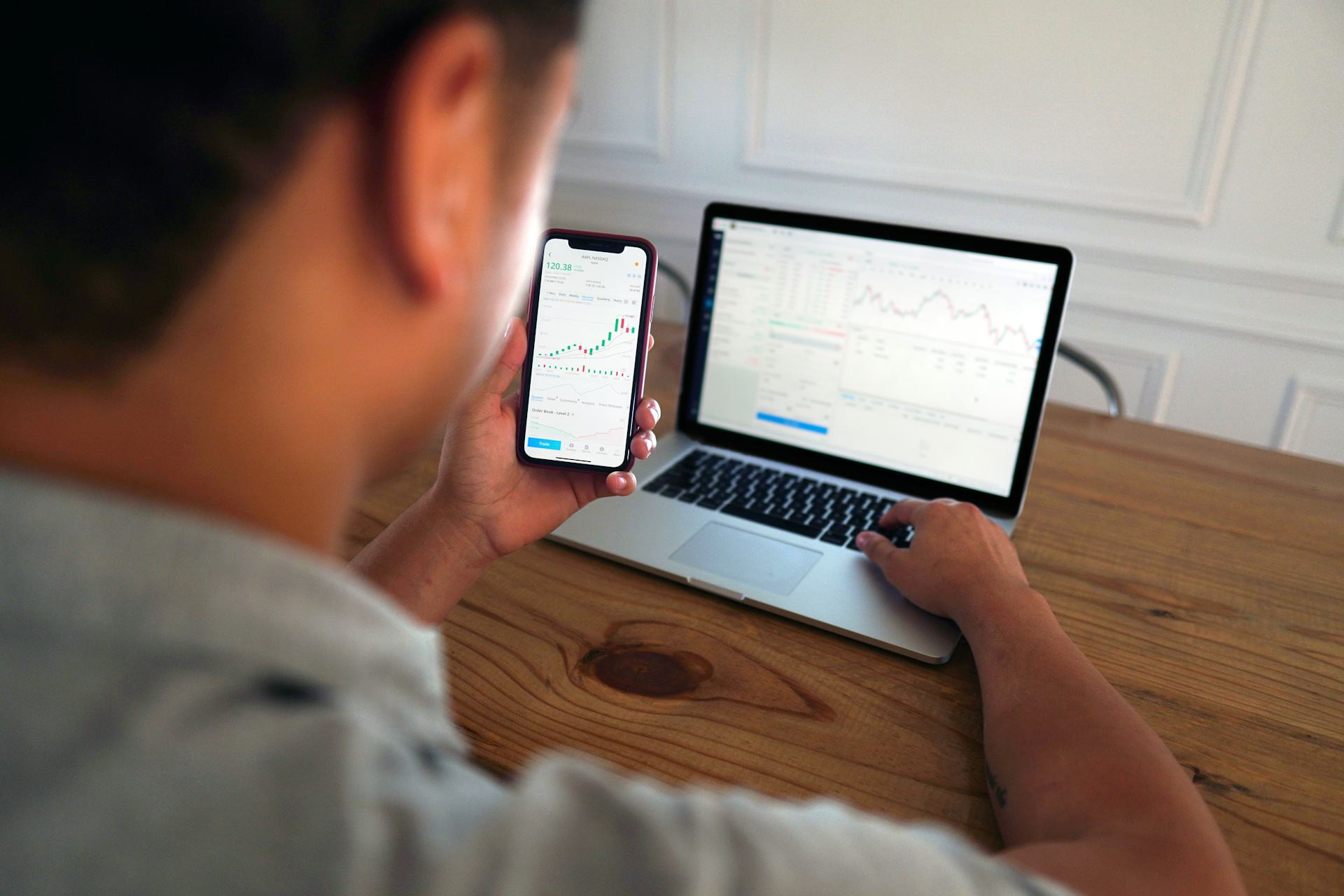
Stay Committed to Your Goals – Motivation as the Key to Healthy Investing Habits
Investing isn’t just about numbers, charts, and market trends. It’s equally about psychology, patience, and the ability to stay true to your goals—even when the market gets volatile and emotions run high. Motivation is the quiet force that keeps you moving forward, even when progress feels slow. But how do you maintain that motivation and build healthy investing habits that last for the long haul?
Know Your “Why”
Before you start investing, take time to understand why you’re doing it. Are you aiming for financial independence, a comfortable retirement, or simply a way to make your money work harder for you? Having a clear purpose makes it easier to stay focused when the market tests your resolve.
Write your goal down and make it specific. Instead of saying, “I want to save for the future,” try, “I want to have $250,000 invested by the time I’m 45.” A concrete goal gives you something to measure progress against—and progress is what keeps motivation alive.
Set Realistic Expectations
One of the biggest pitfalls for new investors is expecting quick results. It’s easy to be inspired by stories of overnight success, but the truth is that most wealth is built gradually, not suddenly. The most successful investors understand that time in the market matters more than timing the market.
By accepting that investing is a long-term journey, you’ll avoid unnecessary stress and disappointment. Learn to find satisfaction in the process, not just the outcome. When you treat investing as a habit rather than a project, consistency becomes much easier.
Make Consistency Simple
Motivation is important, but structure is what turns motivation into results. Automate as much as possible: set up recurring transfers to your investment account, and consider a regular investment plan where you buy the same index funds or ETFs each month.
Automation removes emotion from the equation. You won’t have to rely on willpower every time you invest—it just happens. This makes it easier to stay on track, even when the market feels uncertain or the headlines are alarming.
Learn to Handle Uncertainty
The market will always fluctuate. Those who learn to accept that reality are the ones who succeed over time. Instead of reacting to fear or excitement, remind yourself that investing is about time in the market, not timing the market.
Focus on what you can control: your savings rate, your costs, and your patience. Everything else is noise. When you view market ups and downs as a natural part of the journey, it becomes much easier to stay calm and motivated.
Læs også:



Celebrate Small Wins
Motivation thrives on progress—even small progress. Every milestone counts, whether it’s your first $1,000 invested or a full year of consistent contributions. Take a moment to acknowledge those achievements. They remind you that you’re moving in the right direction.
Consider keeping an investing journal where you record your decisions, thoughts, and results. Seeing your growth over time can be incredibly motivating. Small wins build momentum—and momentum builds discipline.
Find Inspiration and Community
Staying motivated is easier when you’re not doing it alone. Look for a community—online or in person—where you can share experiences, learn from others, and find encouragement. Hearing real stories of both success and mistakes can give you valuable perspective.
You can also listen to financial podcasts, read books about investing, or take a personal finance course. The more you understand, the more confident you’ll feel—and confidence is a powerful source of motivation.
Make Motivation a Habit
Motivation isn’t a constant feeling; it’s something you cultivate. It grows when you see progress and fades when you lose focus. That’s why healthy investing habits aren’t just about staying motivated—they’re about creating systems that make it easy to keep going, even on the days when you don’t feel like it.
By combining clear goals, realistic expectations, and consistent routines, you can build an investing practice that lasts for years. And when you look back, you’ll realize it wasn’t the big decisions that made the difference—it was the small, steady actions repeated over time.
Læs også: